
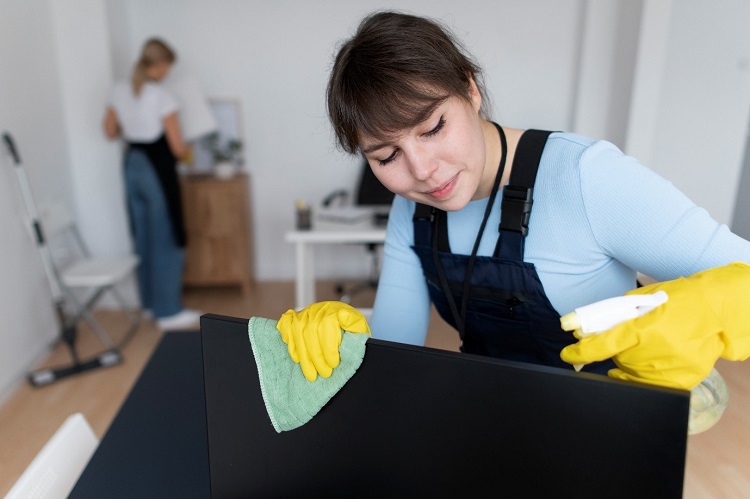
In the cleaning industry, maintaining high standards is essential for ensuring the health and safety of both workers and clients. Professional cleaning training plays a pivotal role in achieving these standards. This blog post will explore the importance of such training and how it contributes to maintaining industry standards.
Ensuring Health and Safety
One of the primary reasons for professional cleaning training is to ensure health and safety. Cleaning staff are often exposed to hazardous chemicals and environments. Proper training equips them with the knowledge to handle these substances safely, reducing the risk of accidents and health issues. Additionally, training ensures that cleaning procedures are carried out effectively, minimising the spread of infections and maintaining a hygienic environment.
Training programmes often include modules on the correct use of personal protective equipment (PPE), such as gloves, masks, and goggles. These items are crucial for protecting workers from harmful substances and potential injuries. Moreover, training on the proper handling and storage of cleaning chemicals can prevent dangerous reactions and spills, which could otherwise lead to serious health risks.
Enhancing Efficiency and Productivity
Professional training programmes are designed to teach cleaning staff the most efficient methods and techniques. This not only improves the quality of cleaning but also enhances productivity. Trained staff can complete tasks more quickly and to a higher standard, which is beneficial for both the cleaning company and its clients. Efficiency in cleaning operations also means that resources are used more effectively, reducing waste and costs.
Training can include time management skills and the use of advanced cleaning equipment. Learning how to operate machinery like floor scrubbers or carpet cleaners efficiently can significantly reduce the time required for large-scale cleaning tasks. Additionally, understanding the best practices for different cleaning scenarios, such as deep cleaning versus regular maintenance, ensures that staff can adapt their methods to suit the specific needs of each job.
Compliance with Regulations
The cleaning industry is subject to various regulations and standards, which can vary by region and sector. Professional training ensures that cleaning staff are aware of and comply with these regulations. This is crucial for avoiding legal issues and maintaining a good reputation. Compliance with industry standards also demonstrates a commitment to quality and professionalism, which can be a significant competitive advantage.
Regulations may dictate the types of chemicals that can be used in certain environments, such as hospitals or food preparation areas. Training ensures that staff are knowledgeable about these regulations and can select appropriate cleaning agents that meet safety standards. Additionally, understanding waste disposal regulations is essential for preventing environmental contamination and ensuring that hazardous materials are disposed of correctly.
Improving Employee Morale and Retention
Investing in professional training shows employees that their employer values their development and well-being. This can lead to higher job satisfaction and morale, which in turn can improve retention rates. Employees who feel valued and well-trained are more likely to stay with a company, reducing turnover and the associated costs of recruiting and training new staff.
Moreover, training can provide opportunities for career advancement. Employees who complete advanced training programmes may be eligible for supervisory or managerial positions. This not only benefits the individual by providing career growth opportunities but also benefits the company by fostering a skilled and motivated workforce.
Enhancing Customer Satisfaction
High standards of cleaning are essential for customer satisfaction. Clients expect a clean and hygienic environment, whether it’s in a commercial, residential, or industrial setting. Professional training ensures that cleaning staff can meet these expectations consistently. Satisfied customers are more likely to become repeat clients and recommend the service to others, which can drive business growth.
Training can include customer service skills, such as effective communication and problem-solving. These skills are crucial for addressing client concerns and ensuring that their specific needs are met. Additionally, understanding the importance of attention to detail can help staff deliver a thorough and meticulous cleaning service, which is often a key factor in customer satisfaction.
Adapting to New Technologies and Methods
The cleaning industry is constantly evolving, with new technologies and methods being developed to improve efficiency and effectiveness. Professional training helps cleaning staff stay up-to-date with these advancements. This not only improves the quality of cleaning but also ensures that staff can use new equipment and products safely and effectively.
The introduction of eco-friendly cleaning products and methods has become increasingly important in recent years. Training can educate staff on the benefits of using green cleaning products, which are less harmful to the environment and safer for both workers and clients. Additionally, learning how to operate new cleaning technologies, such as robotic cleaners or advanced disinfection systems, can enhance the overall efficiency and effectiveness of cleaning operations.
Recommended Training Course: Certificate III in Cleaning Operations Online
For those looking to gain the necessary skills and knowledge in cleaning operations, the Certificate III in Cleaning Operations Online is an excellent choice. This online course covers a wide range of topics, including safe work practices, effective cleaning techniques, and the use of cleaning chemicals and equipment. It is designed to provide comprehensive training that meets industry standards and prepares participants for a successful career in the cleaning industry.
The course includes modules on:
- Workplace Safety: Understanding and implementing safety protocols to protect oneself and others.
- Cleaning Techniques: Learning the most effective methods for different types of cleaning tasks.
- Chemical Handling: Proper use and storage of cleaning chemicals to prevent accidents and ensure safety.
- Equipment Operation: Training on the use of various cleaning machines and tools.
- Customer Service: Developing skills to interact professionally with clients and address their needs.
Conclusion
In conclusion, professional cleaning training is crucial for maintaining industry standards. It ensures health and safety, enhances efficiency and productivity, ensures compliance with regulations, improves employee morale and retention, enhances customer satisfaction, and helps staff adapt to new technologies and methods. By investing in professional training, cleaning companies can ensure that they provide high-quality services that meet the expectations of their clients and comply with industry standards.